technology
Key Features in Healthcare Apps

Paweł Kozera
Key Features and Functionalities in a Healthcare App
Core Insights
A successful healthcare app must include features that benefit both patients and healthcare providers. These features include: appointment scheduling, virtual consultations, medication tracking, secure access to electronic health records (EHR), and more. The functionalities above improve patient engagement, streamline provider workflows, and ensure regulatory compliance, including HIPAA. In this article, we’ll break down the essential features and functionalities every modern healthcare mobile app should have and why they matter.
Introduction
As digital health continues to expand, the expectations for mobile healthcare applications are rising. Whether you’re developing an app for patients managing chronic conditions or for doctors delivering remote consultations, including the right features is critical. Beyond usability, these apps must address clinical needs, improve access to care, and comply with strict regulatory standards.
Let’s explore the most important features and functionalities in healthcare apps today, backed by real-world examples and insights from Apzumi’s expertise.
User Registration and Profile Management
A smooth and secure user onboarding experience is the foundation of any successful healthcare app. Patients and healthcare providers must be able to create and manage their accounts effortlessly while ensuring the privacy of sensitive medical data.
Key functionalities to include:
- Secure login & authentication: Multi-factor authentication (MFA) and biometric options (e.g., Face ID)
- Profile management: Users can update personal data, medical history, and communication preferences
- Dependent accounts: Allow parents or caregivers to manage family members’ profiles
- Role-based access control: Tailor views and permissions for patients, doctors, and admins
- HIPAA-compliant data protection: All PHI is encrypted and access-logged
Example: In Apzumi’s work on the UzObi Medical BLUEPRINT™ platform, patients can define their healthcare wishes and share them securely with trusted contacts. This enables a highly personalized and ethical care experience that extends across medical scenarios.
Appointment Scheduling and Reminders
Timely access to care is critical. For many users, the ability to schedule appointments directly in an app is one of the most valued features. A well-designed online booking system minimizes friction for patients and increases operational efficiency for clinics and providers.
Must-have scheduling functionalities:
- Real-time provider availability: Display open time slots across multiple practitioners or departments
- Integrated calendar sync: Allow users to sync appointments with Google or Apple calendars
- Automated reminders: Send push notifications, emails, or SMS reminders before scheduled visits
- Rescheduling and cancellations: Give users full control over managing their appointments
- Family scheduling support: Enable users to book visits for dependents or children
Example: Apzumi’s Telehealth Platform allows patients to not only schedule virtual visits but also manage appointments for family members. Doctors benefit from a personalized calendar view, integrated with patient EHRs and pre-visit notes, streamlining both scheduling and care delivery.
Access to Electronic Health Records (EHR)
For both patients and healthcare providers, access to electronic health records (EHR) is essential for delivering informed, continuous care. When integrated into a healthcare app, EHR access eliminates data silos and gives users a full view of medical history, prescriptions, test results, and treatment plans.
What effective EHR integration should offer:
- Role-based access: Patients, doctors, and specialists access appropriate data securely
- Real-time data sync: Ensure updates reflect instantly across platforms and providers
- Pre-visit summaries: Provide doctors with patient insights before consultations
- Secure cloud storage: Keep sensitive records encrypted and compliant with HIPAA/GDPR
- Document upload & sharing: Allow patients to upload and send medical files to clinicians
Example: Popular platforms like MyChart offer patients secure, mobile-friendly access to their EHRs. Users can view test results, track appointments, message providers, and manage medications, all while remaining connected to their healthcare organization’s backend system.
Telemedicine and Virtual Consultations
The rise of telemedicine has reshaped how patients and providers interact, especially in rural areas or for individuals with limited mobility. Including virtual consultation features in a healthcare app enables users to connect with licensed professionals through secure, real-time video or audio sessions, saving time and increasing access to care.
Key features of effective telehealth tools:
- HD video and audio calls: HIPAA-compliant virtual visits with minimal latency
- Integrated chat: Allow text communication before, during, or after a session
- Appointment-based access: Only accessible during scheduled consultations
- Screen sharing and file upload: Support better diagnosis and patient guidance
- Session summaries: Automatically generate visit notes for patients to review
Example: Platforms like Teladoc Health and Amwell have set the benchmark for telehealth by offering seamless, secure virtual consultations. These apps support everything from urgent care to mental health visits, helping users access professional care without leaving home.
Medication Management
Managing medications can be overwhelming, especially for patients with chronic conditions or complex treatment plans. A reliable medication management feature helps users stay on top of their prescriptions and supports better treatment adherence.
Core functionality to include:
- Medication schedules: List active prescriptions with dosage and timing
- Refill reminders: Notify users before prescriptions run out
- E-prescription access: Let users view digital prescriptions directly in the app
- Pharmacy lookup: Help users find nearby pharmacies and medication availability
- Barcode scanning: Allow scanning of medication packaging for quick info access
Example: The Medisafe app provides personalized medication reminders, visual pill tracking, and interaction warnings — helping users adhere to treatment and avoid missed doses.
Health Monitoring and Wearable Integration
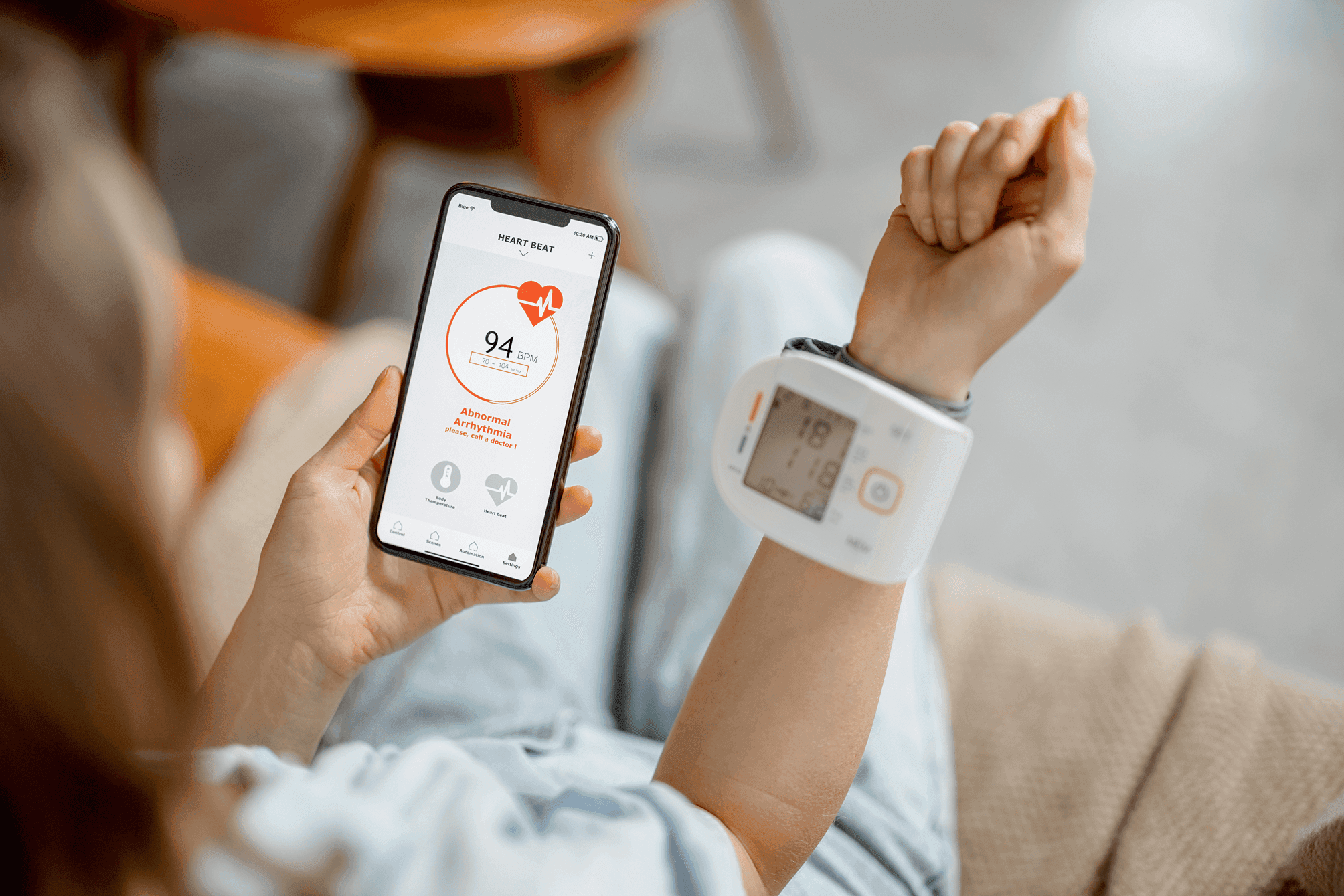
Modern healthcare apps are increasingly expected to support remote health monitoring by giving patients and providers real-time access to vital health data. By integrating with wearable devices, apps can collect and display metrics like heart rate, sleep quality, activity levels, or blood oxygenation.
This feature is especially valuable for chronic condition management, post-surgical care, and rehabilitation programs.
Key capabilities to include:
- Device compatibility: Sync with Apple Health, Fitbit, Garmin, and similar wearables
- Vitals tracking dashboard: Visualize key metrics like heart rate, blood pressure, SpO₂
- Manual input options: Let users log values without a device when needed
- Alerts and thresholds: Notify users and providers when values go outside normal ranges
- Data sharing with providers: Enable clinical teams to monitor trends remotely
Example: Apzumi’s work on Chanl Health included Fitbit integration and real-time vitals tracking for cardiac rehabilitation patients. The result was a scalable remote monitoring solution that doubled rehab participation and achieved 80% engagement within 8 weeks.
Health Education and Information
Empowering patients with trustworthy, easy-to-understand health information is key to improving outcomes and encouraging self-care. A dedicated education module within a healthcare app can reduce reliance on unreliable internet sources and support better decision-making, especially for users managing chronic conditions.
Useful content formats to include:
- Condition-specific articles: Tailored to user profiles or diagnoses
- Videos and infographics: For visual learners and low-literacy users
- Interactive tools: Self-assessment quizzes, symptom checkers, or medication explainers
- Push-based tips: Timely reminders and seasonal health advice
- Curated content sources: Verified by medical professionals or linked to trusted databases
Example: Healp app includes a patient-curated knowledge base where users can access and share health tips, treatment reviews, and condition-specific insights, creating a supportive environment of peer-driven education.
Secure Messaging and Patient-Provider Communication
Effective communication is central to quality care. And in digital healthcare, that means offering secure, real-time messaging. A robust in-app messaging feature allows patients and providers to exchange updates, share test results, and clarify treatment plans without requiring a phone call or in-person visit.
Key features to implement:
- Encrypted messaging: End-to-end encryption to protect sensitive health conversations
- File and image sharing: Upload lab results, prescriptions, or photos for remote assessment
- Asynchronous replies: Let providers respond between consultations without delay
- Audit logs and access control: Meet compliance requirements (HIPAA, GDPR)
- Message tagging: Flag urgent questions or attach conversations to specific appointments
Example: The K Health app offers AI-assisted chat paired with secure provider messaging. Patients can initiate conversations, share symptoms or lab results, and receive responses from licensed doctors.
Emergency Alerts and Critical Health Information Sharing
In urgent or life-threatening situations, fast access to critical information can save lives. Emergency alert features in healthcare apps enable users to notify emergency contacts, share health records with responders, or trigger location-based SOS calls with a single tap.
Important capabilities:
- One-tap SOS button: Sends alerts with user’s GPS location
- Shareable medical profiles: Include allergies, medications, conditions, and directives
- Trusted contacts system: Notify family members or caregivers instantly
- Multilingual mode: Make critical info accessible to responders regardless of language
The Medical ID app allows users to store and display emergency medical information on their lock screen. In emergencies, first responders can quickly access the user’s health conditions, medications, and emergency contacts, even if the phone is locked.
Conclusion
The healthcare app market is crowded already, but not every product delivers real value. What separates successful solutions is not just compliance or design polish, but relevant, thoughtfully implemented features that solve specific challenges in patient care, monitoring, or communication.
Whether you're supporting cardiac rehab, enabling teleconsultations, or helping users track medication, choosing the right mix of features is where outcomes begin.
Apzumi’s experience with platforms like Chanl Health (remote monitoring), Telehealth (virtual care), and Healp (chronic illness communities) shows how strategic feature sets translate into real-world impact.
If your next step is to develop a healthcare app that patients trust and providers rely on, we’re ready to help you get there with clarity, compliance, and care.
Paweł Kozera
Marketing Specialist
Explore more

Let's stay in touch!