Personalised Health Insights in Apps

Paweł Kozera
December 22, 2025
9 min
read

Personalized Health Recommendations and Insights in Healthcare Apps

Core Insights

Personalized health recommendations are tailored insights that guide people toward better health decisions based on their unique data, habits, and goals. In healthcare apps, this means analyzing medical history, lifestyle factors, and real-time activity to deliver advice that fits each individual. Using data analysis, machine learning, wearable integration, and health risk assessments, these apps can suggest preventive measures, lifestyle adjustments, or treatment support that adapts to the user.

Unlike generic advice, personalized insights respond to changing behaviors and contexts, helping users stay engaged and proactive in their care. This approach makes digital health more effective, preventive, and trustworthy, while ensuring that privacy and data security remain central.

The Importance of Personalized Health Recommendations 

Personalized health insights transform how people manage their well-being. Instead of offering generic advice, healthcare apps now analyze individual data to deliver preventive health recommendations that are more accurate and actionable. This shift makes digital health more engaging and effective, helping users feel that guidance is truly relevant to their daily lives.

The importance lies in three core areas:

  • Improved outcomes: Tailored advice increases adherence to healthy habits, whether it’s nutrition, exercise, or medication routines.
  • Early detection: With predictive analysis, a predictive health risk insights app can flag potential issues before they escalate, giving patients and doctors more time to act.
  • Patient empowerment: Personalized feedback encourages users to take an active role in managing their health, which strengthens long-term engagement.

In short, personalized health insights bridge the gap between technology and meaningful care. They make health guidance smarter, more preventive, and better aligned with each person’s unique needs.

Data Collection and Analysis as the Foundation

Every personalized health journey starts with data. Healthcare apps gather information such as medical history, current symptoms, lifestyle habits, and individual health goals. This diverse input forms the backbone of health data analytics, enabling apps to move beyond generic advice and offer support tailored to each user.

A robust health recommendation engine relies on identifying correlations within this data. For example, tracking how stress influences sleep patterns or how exercise impacts blood sugar levels creates opportunities for meaningful insights. By continuously analyzing trends, apps can adjust recommendations as conditions evolve, ensuring that guidance stays relevant and effective.

A strong example is the Calpro project, a digital health solution that empowers patients with Crohn’s disease to monitor inflammation levels remotely. By applying image processing algorithms to home test results, Calpro transforms raw data into real-time insights that guide patients and clinicians. This demonstrates how a lifestyle-based health recommendation platform translates information it into actionable guidance that improves care.

Machine Learning Algorithms Driving Personalization

While data provides the foundation, intelligence comes from algorithms. Modern healthcare apps use machine learning health recommendations to turn raw inputs into smart, adaptive guidance.

Key approaches include:

  • Decision trees: Mapping cause-and-effect relationships to recommend targeted lifestyle changes.
  • Collaborative filtering: Comparing similar user profiles to suggest effective treatments or preventive strategies.
  • Neural networks: Learning from complex datasets to improve predictions of health risks or treatment responses.

These methods power an AI-driven health risk assessment, enabling the app to predict issues before they appear. For example, subtle patterns in heart rate or sleep quality might signal early signs of a condition, prompting a timely checkup.

The real strength of machine learning lies in continuous improvement. As more users engage with the platform, the algorithms refine themselves, delivering even more accurate insights. For patients, this means moving from broad advice toward a predictive health alerts app that adapts uniquely to their needs.

Health Risk Assessments and Preventive Care

One of the most powerful uses of personalization is identifying risks before they become serious. A health risk assessment tool apps allow users to answer structured questions or complete at-home tests that reveal potential vulnerabilities. Based on these results, the apps can generate personalized preventive health recommendations, such as screenings, lifestyle adjustments, or follow-ups with healthcare providers.

The Perkk Check platform demonstrates this approach. By combining a 30-second video scan with mental health assessment, it provides a comprehensive overview of a user’s physical and emotional well-being. This rapid evaluation helps patients and caregivers spot concerns early, guiding proactive interventions rather than reactive treatment.

As more data is gathered, predictive tools can evolve into a proactive health alerts app, signaling changes in risk factors over time. This shift toward prevention not only improves outcomes but also reduces costs, making risk assessment a cornerstone of personalized healthcare.

Behavioral Tracking and Real-Time Feedback

Beyond assessments, personalization thrives when users can monitor their everyday actions. Health behavior tracking apps help capture exercise routines, dietary habits, and medication adherence, offering insights into how daily choices affect long-term wellness.
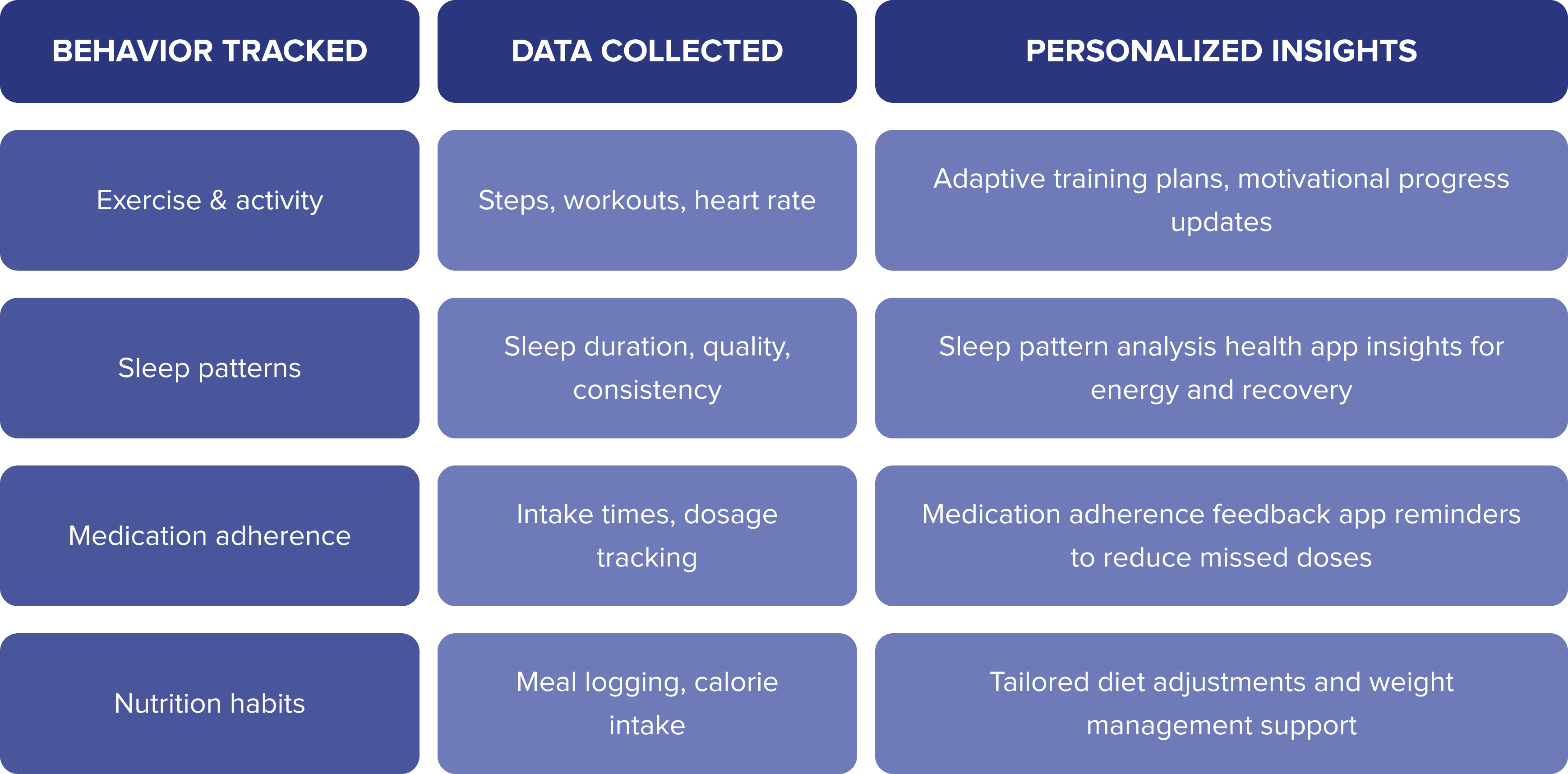
Apps that deliver sleep pattern analysis and activity tracking health insights keep users engaged by showing real-time progress and highlighting areas for improvement. Personalized reminders, motivational tips, and adaptive goals ensure that recommendations feel supportive rather than prescriptive.

For example, Fitiful tailors fitness programs to individual lifestyles and available equipment, ensuring workouts are both achievable and motivating. Similarly, Chanl Health enables cardiac patients to continue rehabilitation at home, with clinicians monitoring recovery remotely. Both solutions demonstrate how personalized guidance and feedback help users stay on track and avoid setbacks.

When combined with predictive insights, this continuous loop of tracking and feedback transforms an app into a true partner in long-term health management.

Contextual and Environmental Recommendations

Personalization is most effective when it adapts to context. A contextual health recommendations system considers factors such as location, weather, or seasonal conditions to provide guidance that aligns with real-world circumstances. For example, a location-based health suggestion might direct a user to nearby healthcare facilities during an emergency, while seasonal analysis can trigger allergy health tips during high pollen periods.

Encore Wellness, a senior lifestyle platform, demonstrates the value of contextualization. By tailoring on-demand classes and health programs to the needs of older adults, it ensures that recommendations are relevant not only to health goals but also to life stage and demographic factors.

This ability to connect personal data with environmental and social context creates guidance that feels immediate and practical. In doing so, contextual recommendations support long-term engagement by proving that the app understands the world individuals live in.

Integration with Wearables and Devices

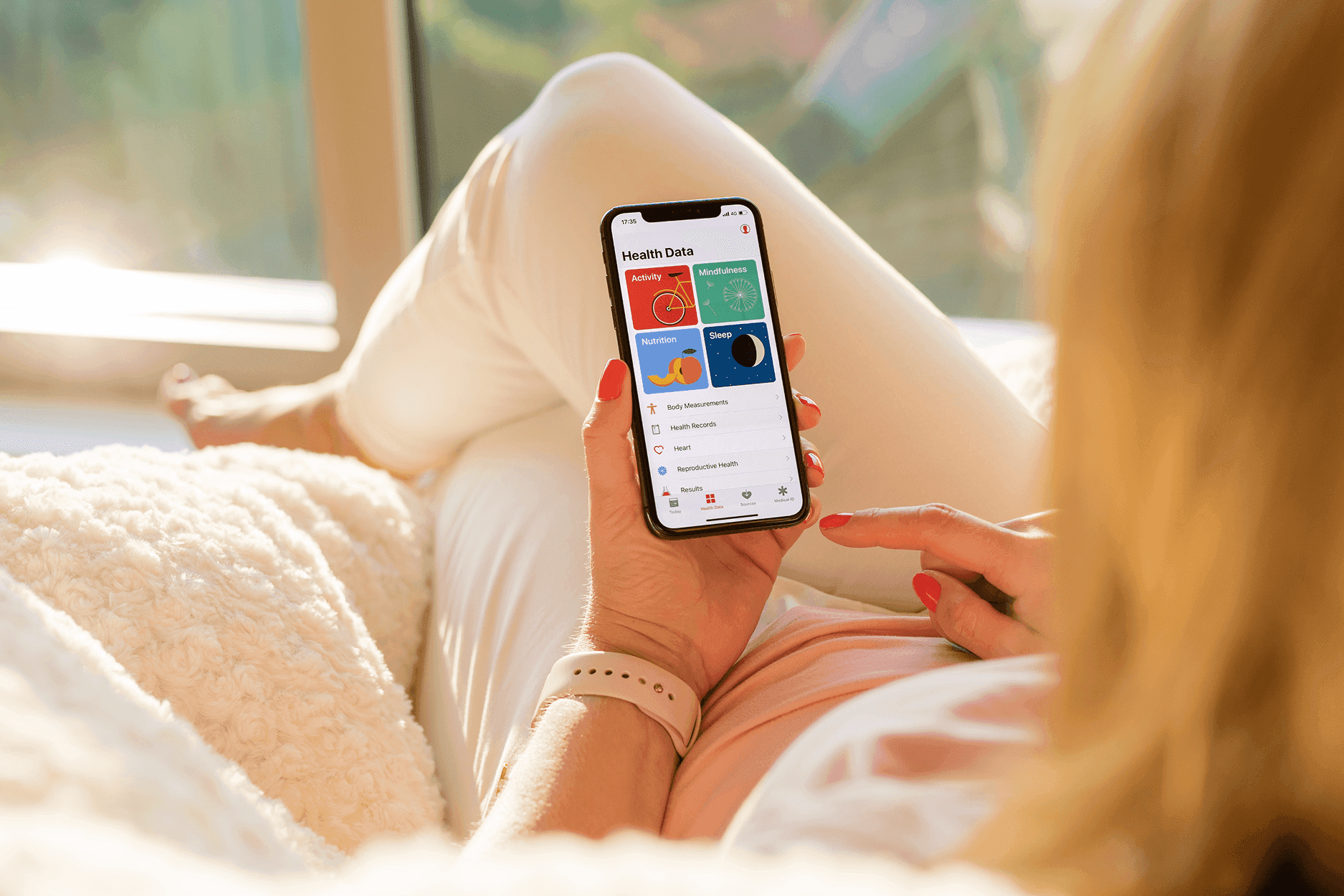
Personalization also thrives on real-time physiological data. Smartwatches, glucose monitors, and other sensors enable apps to translate raw measurements into wearable health data and personalized recommendations that evolve throughout the day.

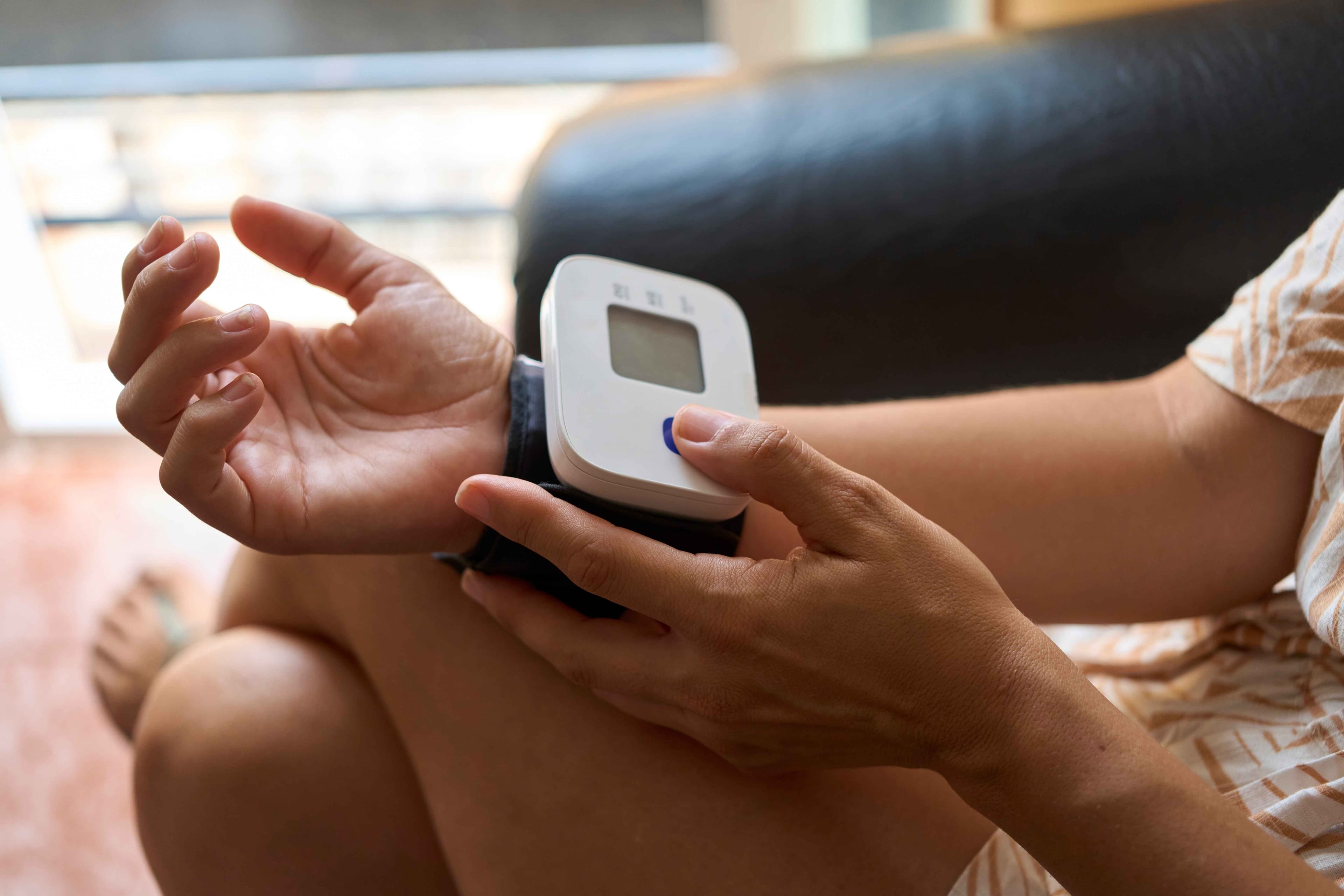
The Homedics suite of apps demonstrates how this works. By syncing with devices that measure blood pressure, heart rate, and oxygen saturation, the platform helps users see how lifestyle choices affect vital signs. Rather than leaving people with disconnected numbers, it organizes the data into insights that can guide daily routines.

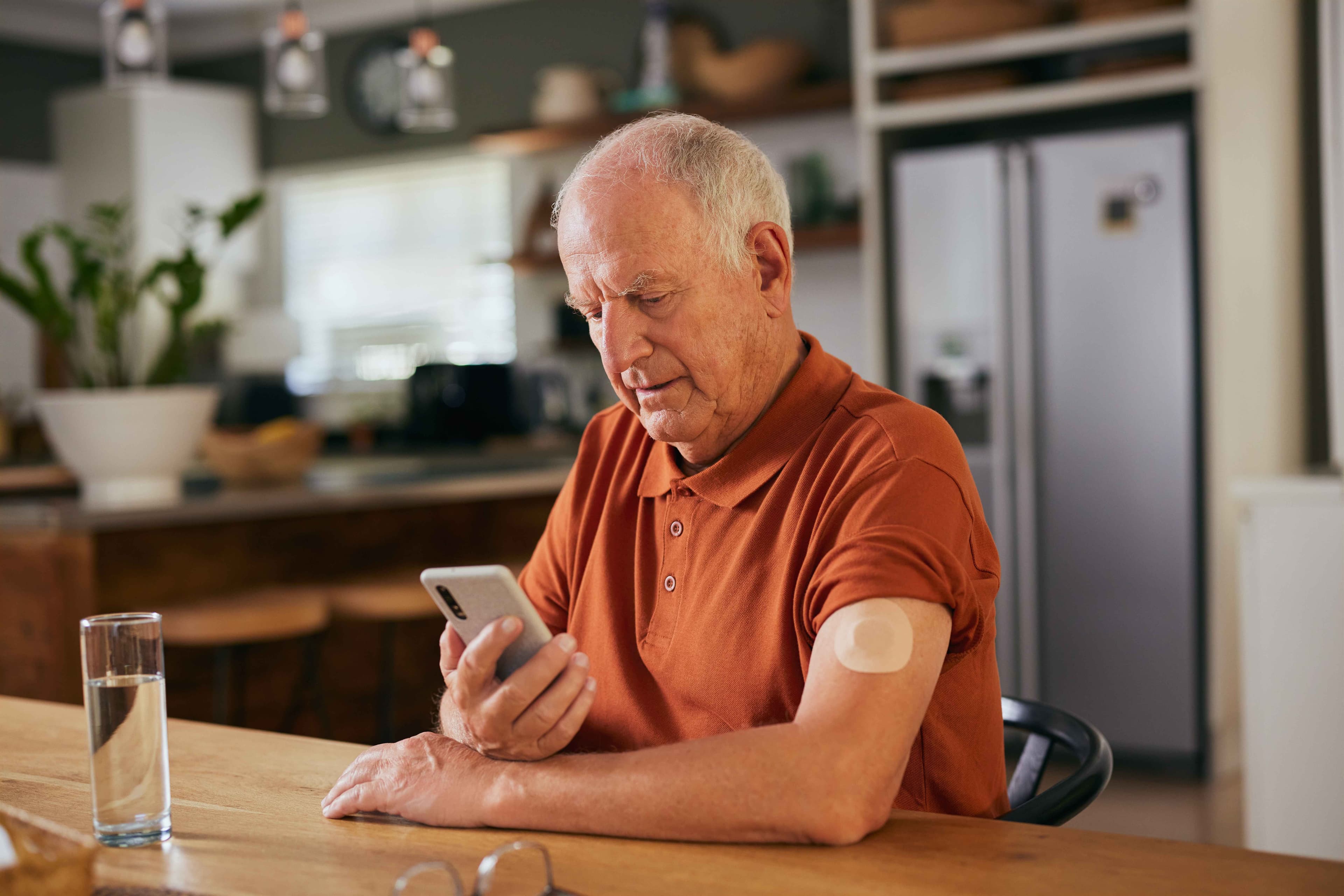
This capability extends far beyond simple tracking. An app that can integrate smartwatch health data may suggest adjusting activity levels on the spot, while continuous glucose monitoring provides personalized insights to support real-time dietary decisions. With every data point feeding into actionable feedback, wearables bring personalization off the screen and into daily life, where it matters most.

​​Feedback, Preferences, and Continuous Improvement

Personalization works best when it evolves with the user. By allowing people to share their experiences and rate the usefulness of advice, feedback-driven personalized health apps can refine recommendations over time. This two-way interaction builds trust while ensuring the app reflects changing needs.

Community-driven platforms highlight this value. In Healp, patients with chronic illnesses exchange reviews of treatments and doctors. While its focus is social, the same principle applies to personalization: combining individual preferences with shared insights creates guidance that feels more relevant.

When apps also account for preference-based health suggestions, users remain engaged longer. Instead of rigid instructions, they receive adaptive support that aligns with both medical data and personal choices.

Privacy, Consent, and Trust in Personalized Health Apps

Collecting sensitive health data comes with responsibility. A successful solution must function as a secure personalized health app, balancing personalization with robust protection of personal information. Transparency is critical: users should know what data is being collected, why, and how it benefits their care.

Compliance plays a central role here. A HIPAA-compliant health recommendation platform or GDPR-aligned app not only reduces legal risk but also reassures users that their rights are protected. In practice, this means consent mechanisms, anonymization techniques, and clear privacy policies are built directly into the user experience.
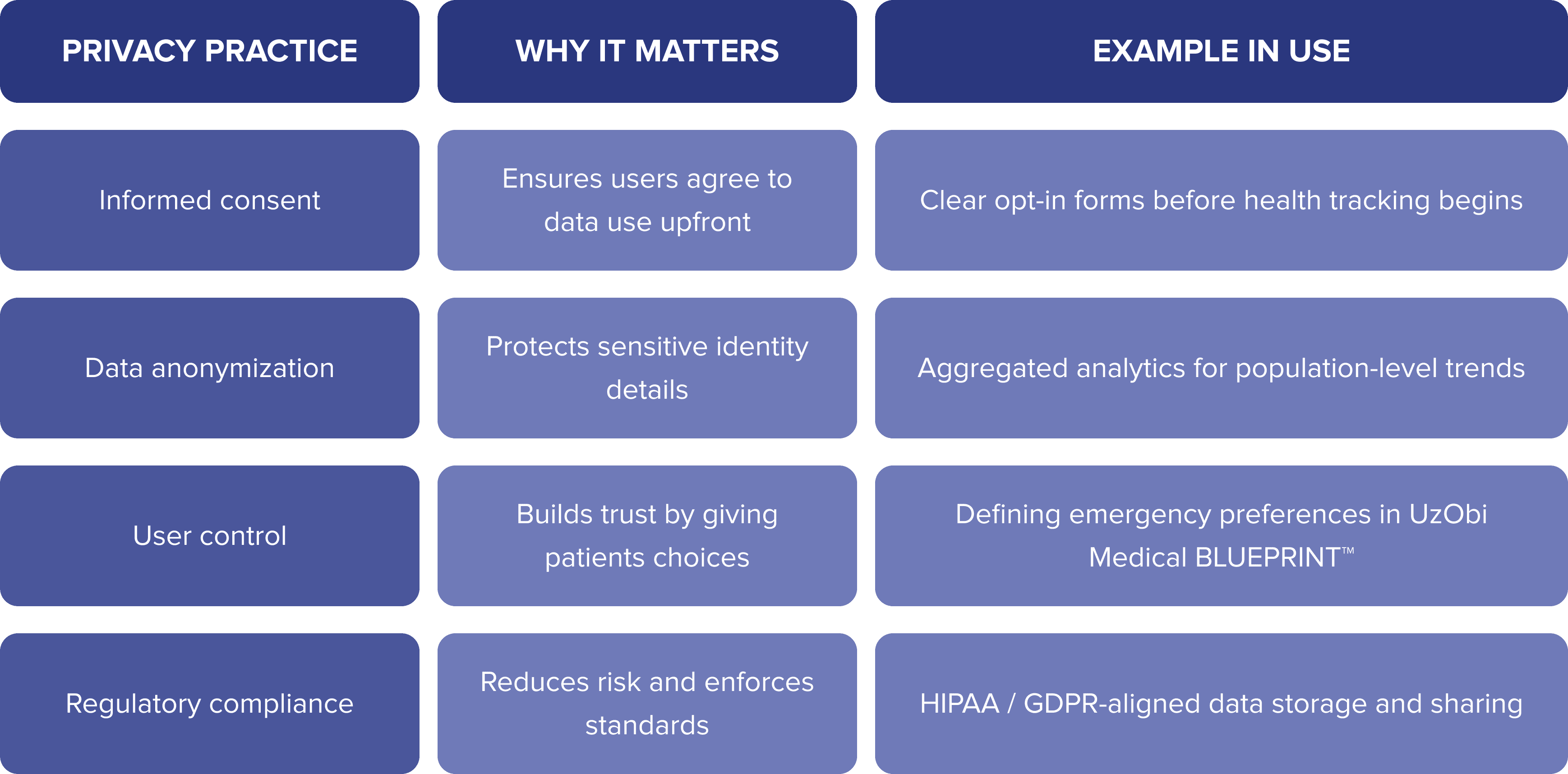
Some platforms go further by giving patients active control. The UzObi Medical BLUEPRINT™ is one example, enabling individuals to set their own medical directives. This approach shows how user consent in health data analytics can move beyond checkboxes, turning privacy into empowerment.

Ultimately, personalization succeeds only if trust is maintained. A privacy-first health insights apps demonstrate that user safety is just as important as user outcomes.

The Future of Personalized Health Recommendations

Personalization in healthcare is only at the beginning of its journey. As data sources expand and algorithms grow more sophisticated, users can expect AI-powered health advice that is not only accurate but also anticipates their needs. Future apps may integrate genetic testing, environmental data, and even mental health indicators to build a more complete picture of each individual.

The next generation of personalized health recommendations apps will also focus on interoperability, seamlessly sharing insights across devices, healthcare providers, and insurers. This ecosystem approach will allow patients, clinicians, and caregivers to work with the same real-time information.

Ultimately, the future of personalized healthcare apps lies in creating solutions that are proactive, preventive, and deeply human-centered – technology that supports healthier choices without losing sight of empathy and trust.

Conclusion

The future of digital care lies in personalization. By combining user data, smart algorithms, contextual awareness, and wearable integration, healthcare apps can deliver personalized health recommendations that are both preventive and empowering. As case studies show, innovation is already transforming theory into practice. What unites them all is a focus on secure, adaptive, and user-centered design. With trust and privacy at the core, personalized health insights will continue to shape the next generation of healthcare apps.

Personalised Health Insights in Apps

#technology

Can a healthcare app provide personalized recommendations to every single user? Of course. Let's explore the pillars of digital health personalization.
Paweł Kozera
December 3, 2025

Personalized Health Recommendations and Insights in Healthcare Apps

Core Insights

Personalized health recommendations are tailored insights that guide people toward better health decisions based on their unique data, habits, and goals. In healthcare apps, this means analyzing medical history, lifestyle factors, and real-time activity to deliver advice that fits each individual. Using data analysis, machine learning, wearable integration, and health risk assessments, these apps can suggest preventive measures, lifestyle adjustments, or treatment support that adapts to the user.

Unlike generic advice, personalized insights respond to changing behaviors and contexts, helping users stay engaged and proactive in their care. This approach makes digital health more effective, preventive, and trustworthy, while ensuring that privacy and data security remain central.

The Importance of Personalized Health Recommendations 

Personalized health insights transform how people manage their well-being. Instead of offering generic advice, healthcare apps now analyze individual data to deliver preventive health recommendations that are more accurate and actionable. This shift makes digital health more engaging and effective, helping users feel that guidance is truly relevant to their daily lives.

The importance lies in three core areas:

  • Improved outcomes: Tailored advice increases adherence to healthy habits, whether it’s nutrition, exercise, or medication routines.
  • Early detection: With predictive analysis, a predictive health risk insights app can flag potential issues before they escalate, giving patients and doctors more time to act.
  • Patient empowerment: Personalized feedback encourages users to take an active role in managing their health, which strengthens long-term engagement.

In short, personalized health insights bridge the gap between technology and meaningful care. They make health guidance smarter, more preventive, and better aligned with each person’s unique needs.

Data Collection and Analysis as the Foundation

Every personalized health journey starts with data. Healthcare apps gather information such as medical history, current symptoms, lifestyle habits, and individual health goals. This diverse input forms the backbone of health data analytics, enabling apps to move beyond generic advice and offer support tailored to each user.

A robust health recommendation engine relies on identifying correlations within this data. For example, tracking how stress influences sleep patterns or how exercise impacts blood sugar levels creates opportunities for meaningful insights. By continuously analyzing trends, apps can adjust recommendations as conditions evolve, ensuring that guidance stays relevant and effective.

A strong example is the Calpro project, a digital health solution that empowers patients with Crohn’s disease to monitor inflammation levels remotely. By applying image processing algorithms to home test results, Calpro transforms raw data into real-time insights that guide patients and clinicians. This demonstrates how a lifestyle-based health recommendation platform translates information it into actionable guidance that improves care.

Machine Learning Algorithms Driving Personalization

While data provides the foundation, intelligence comes from algorithms. Modern healthcare apps use machine learning health recommendations to turn raw inputs into smart, adaptive guidance.

Key approaches include:

  • Decision trees: Mapping cause-and-effect relationships to recommend targeted lifestyle changes.
  • Collaborative filtering: Comparing similar user profiles to suggest effective treatments or preventive strategies.
  • Neural networks: Learning from complex datasets to improve predictions of health risks or treatment responses.

These methods power an AI-driven health risk assessment, enabling the app to predict issues before they appear. For example, subtle patterns in heart rate or sleep quality might signal early signs of a condition, prompting a timely checkup.

The real strength of machine learning lies in continuous improvement. As more users engage with the platform, the algorithms refine themselves, delivering even more accurate insights. For patients, this means moving from broad advice toward a predictive health alerts app that adapts uniquely to their needs.

Health Risk Assessments and Preventive Care

One of the most powerful uses of personalization is identifying risks before they become serious. A health risk assessment tool apps allow users to answer structured questions or complete at-home tests that reveal potential vulnerabilities. Based on these results, the apps can generate personalized preventive health recommendations, such as screenings, lifestyle adjustments, or follow-ups with healthcare providers.

The Perkk Check platform demonstrates this approach. By combining a 30-second video scan with mental health assessment, it provides a comprehensive overview of a user’s physical and emotional well-being. This rapid evaluation helps patients and caregivers spot concerns early, guiding proactive interventions rather than reactive treatment.

As more data is gathered, predictive tools can evolve into a proactive health alerts app, signaling changes in risk factors over time. This shift toward prevention not only improves outcomes but also reduces costs, making risk assessment a cornerstone of personalized healthcare.

Behavioral Tracking and Real-Time Feedback

Beyond assessments, personalization thrives when users can monitor their everyday actions. Health behavior tracking apps help capture exercise routines, dietary habits, and medication adherence, offering insights into how daily choices affect long-term wellness.

Apps that deliver sleep pattern analysis and activity tracking health insights keep users engaged by showing real-time progress and highlighting areas for improvement. Personalized reminders, motivational tips, and adaptive goals ensure that recommendations feel supportive rather than prescriptive.

For example, Fitiful tailors fitness programs to individual lifestyles and available equipment, ensuring workouts are both achievable and motivating. Similarly, Chanl Health enables cardiac patients to continue rehabilitation at home, with clinicians monitoring recovery remotely. Both solutions demonstrate how personalized guidance and feedback help users stay on track and avoid setbacks.

When combined with predictive insights, this continuous loop of tracking and feedback transforms an app into a true partner in long-term health management.

Contextual and Environmental Recommendations

Personalization is most effective when it adapts to context. A contextual health recommendations system considers factors such as location, weather, or seasonal conditions to provide guidance that aligns with real-world circumstances. For example, a location-based health suggestion might direct a user to nearby healthcare facilities during an emergency, while seasonal analysis can trigger allergy health tips during high pollen periods.

Encore Wellness, a senior lifestyle platform, demonstrates the value of contextualization. By tailoring on-demand classes and health programs to the needs of older adults, it ensures that recommendations are relevant not only to health goals but also to life stage and demographic factors.

This ability to connect personal data with environmental and social context creates guidance that feels immediate and practical. In doing so, contextual recommendations support long-term engagement by proving that the app understands the world individuals live in.

Integration with Wearables and Devices

Personalization also thrives on real-time physiological data. Smartwatches, glucose monitors, and other sensors enable apps to translate raw measurements into wearable health data and personalized recommendations that evolve throughout the day.

The Homedics suite of apps demonstrates how this works. By syncing with devices that measure blood pressure, heart rate, and oxygen saturation, the platform helps users see how lifestyle choices affect vital signs. Rather than leaving people with disconnected numbers, it organizes the data into insights that can guide daily routines.

This capability extends far beyond simple tracking. An app that can integrate smartwatch health data may suggest adjusting activity levels on the spot, while continuous glucose monitoring provides personalized insights to support real-time dietary decisions. With every data point feeding into actionable feedback, wearables bring personalization off the screen and into daily life, where it matters most.

​​Feedback, Preferences, and Continuous Improvement

Personalization works best when it evolves with the user. By allowing people to share their experiences and rate the usefulness of advice, feedback-driven personalized health apps can refine recommendations over time. This two-way interaction builds trust while ensuring the app reflects changing needs.

Community-driven platforms highlight this value. In Healp, patients with chronic illnesses exchange reviews of treatments and doctors. While its focus is social, the same principle applies to personalization: combining individual preferences with shared insights creates guidance that feels more relevant.

When apps also account for preference-based health suggestions, users remain engaged longer. Instead of rigid instructions, they receive adaptive support that aligns with both medical data and personal choices.

Privacy, Consent, and Trust in Personalized Health Apps

Collecting sensitive health data comes with responsibility. A successful solution must function as a secure personalized health app, balancing personalization with robust protection of personal information. Transparency is critical: users should know what data is being collected, why, and how it benefits their care.

Compliance plays a central role here. A HIPAA-compliant health recommendation platform or GDPR-aligned app not only reduces legal risk but also reassures users that their rights are protected. In practice, this means consent mechanisms, anonymization techniques, and clear privacy policies are built directly into the user experience.

Some platforms go further by giving patients active control. The UzObi Medical BLUEPRINT™ is one example, enabling individuals to set their own medical directives. This approach shows how user consent in health data analytics can move beyond checkboxes, turning privacy into empowerment.

Ultimately, personalization succeeds only if trust is maintained. A privacy-first health insights apps demonstrate that user safety is just as important as user outcomes.

The Future of Personalized Health Recommendations

Personalization in healthcare is only at the beginning of its journey. As data sources expand and algorithms grow more sophisticated, users can expect AI-powered health advice that is not only accurate but also anticipates their needs. Future apps may integrate genetic testing, environmental data, and even mental health indicators to build a more complete picture of each individual.

The next generation of personalized health recommendations apps will also focus on interoperability, seamlessly sharing insights across devices, healthcare providers, and insurers. This ecosystem approach will allow patients, clinicians, and caregivers to work with the same real-time information.

Ultimately, the future of personalized healthcare apps lies in creating solutions that are proactive, preventive, and deeply human-centered – technology that supports healthier choices without losing sight of empathy and trust.

Conclusion

The future of digital care lies in personalization. By combining user data, smart algorithms, contextual awareness, and wearable integration, healthcare apps can deliver personalized health recommendations that are both preventive and empowering. As case studies show, innovation is already transforming theory into practice. What unites them all is a focus on secure, adaptive, and user-centered design. With trust and privacy at the core, personalized health insights will continue to shape the next generation of healthcare apps.

LinkedIn
Facebook
X (Twitter)
YouTube